
Exploring the significant impact of fleet maintenance on company savings, this article delves into the strategies and practices that help businesses avoid costly repairs and improve operational efficiency.
From preventive maintenance to training programs, the narrative will uncover the key elements that contribute to substantial annual savings for companies with fleets of vehicles.
Importance of Fleet Maintenance
Fleet maintenance is a crucial aspect for companies that rely on a fleet of vehicles to conduct their operations efficiently. Neglecting maintenance can lead to costly repairs, downtime, and even safety hazards for drivers and other road users. Well-maintained vehicles not only improve operational efficiency but also ensure the safety of drivers and cargo.
Costly Repairs Due to Neglected Maintenance
- Regular maintenance can help detect issues early on, preventing minor problems from turning into major repairs that cost significantly more.
- Failure to address basic maintenance tasks such as oil changes, tire rotations, and brake inspections can lead to mechanical failures that require expensive repairs.
- Ignoring warning signs like strange noises or dashboard lights can result in breakdowns that not only cost money to fix but also disrupt operations.
Operational Efficiency and Safety
- Properly maintained vehicles are more fuel-efficient, reducing operational costs for companies in the long run.
- Regular maintenance ensures that vehicles are in optimal condition, minimizing the risk of unexpected breakdowns that can cause delays in deliveries or services.
- Well-maintained vehicles are also safer to operate, reducing the likelihood of accidents that can result in costly damages, injuries, or even fatalities.
Cost-saving Strategies in Fleet Maintenance
Implementing effective cost-saving strategies in fleet maintenance can significantly impact a company's bottom line by reducing unexpected expenses and downtime.
Preventive Maintenance Practices
- Regularly scheduled oil changes, tire rotations, and fluid checks can extend the lifespan of vehicles and prevent costly repairs.
- Replacing worn-out parts before they fail can avoid more extensive damage and expensive replacements.
- Following manufacturer guidelines for maintenance intervals can optimize vehicle performance and fuel efficiency, saving money in the long run.
Role of Regular Inspections
- Conducting routine inspections allows mechanics to identify potential issues early on, preventing them from escalating into major problems.
- Detecting and addressing minor repairs promptly can avoid breakdowns on the road, reducing towing and repair costs.
- Inspections also help ensure that vehicles are in compliance with safety regulations, preventing fines and penalties.
Predictive Maintenance Tools
- Utilizing predictive maintenance technology, such as telematics and sensors, can monitor vehicle health in real-time and alert maintenance teams to potential issues before they occur.
- By predicting maintenance needs accurately, companies can plan repairs during scheduled downtime, minimizing disruptions to operations and maximizing productivity.
- Preventive maintenance tools help reduce unexpected breakdowns and emergency repairs, saving companies thousands of dollars in repair costs and lost revenue.
Efficiency Improvements Through Fleet Maintenance
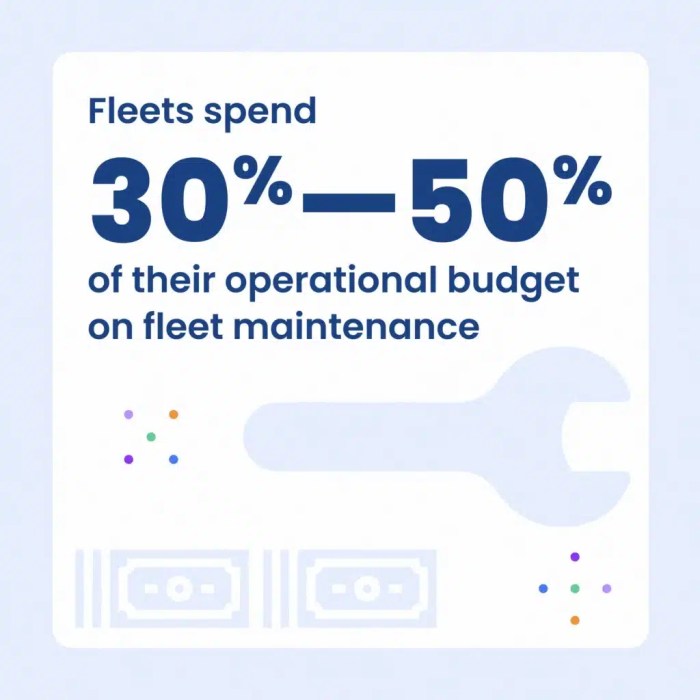
Fleet maintenance plays a crucial role in enhancing the overall efficiency of a company's operations. By implementing efficient maintenance schedules, businesses can optimize vehicle performance, reduce downtime, and extend the lifespan of their fleet vehicles.
Optimizing Vehicle Performance
Regular maintenance of fleet vehicles ensures that they are operating at their peak performance levels. This includes tasks such as oil changes, tire rotations, and engine tune-ups, which help prevent breakdowns and keep the vehicles running smoothly.
Streamlining Operations with Maintenance Tracking Systems
Implementing maintenance tracking systems can greatly streamline fleet operations. These systems allow companies to schedule maintenance tasks efficiently, track vehicle usage, and monitor the health of each vehicle in real-time. By staying on top of maintenance needs, companies can reduce unexpected breakdowns and minimize downtime.
Impact of Proactive Maintenance on Extending Vehicle Lifespan
Proactive maintenance, which involves addressing potential issues before they become major problems, can significantly extend the lifespan of fleet vehicles. By regularly inspecting and servicing vehicles, companies can identify and address issues early on, preventing costly repairs and ensuring that the vehicles remain in optimal condition for a longer period of time.
Training and Education for Effective Fleet Maintenance
Training programs for maintenance staff are crucial in ensuring the smooth operation of a company's fleet. Ongoing education on new technologies plays a significant role in improving maintenance practices, keeping staff updated on the latest trends and innovations in the industry.
Certifications also play a vital role in ensuring quality maintenance work, providing a standard of excellence that can be relied upon.
Importance of Training Programs
Training programs offer maintenance staff the opportunity to enhance their skills and knowledge, enabling them to perform their duties more effectively. These programs cover a wide range of topics, from basic maintenance tasks to advanced troubleshooting techniques, equipping staff with the necessary tools to address any issues that may arise with the fleet.
- Training programs improve employee morale and job satisfaction by investing in their professional development.
- Well-trained staff are more efficient and productive, reducing downtime and increasing the overall lifespan of fleet vehicles.
- Regular training helps staff stay updated on industry best practices and safety regulations, ensuring compliance and reducing the risk of accidents.
Ongoing Education on New Technologies
Keeping maintenance staff educated on new technologies is essential in modern fleet management. With advancements in vehicle technology happening rapidly, ongoing education ensures that staff can effectively maintain and repair the latest models of vehicles in the fleet.
- Training on new technologies enhances staff skills, enabling them to diagnose and fix issues faster, reducing repair time and costs.
- Knowledge of new technologies allows maintenance staff to optimize vehicle performance, improving fuel efficiency and reducing emissions.
- Continuous education fosters innovation and creativity among maintenance staff, leading to more efficient maintenance practices and better problem-solving abilities.
Benefits of Certifications
Certifications provide validation of a maintenance staff member's skills and expertise, ensuring that they meet industry standards and are capable of performing high-quality maintenance work. Employers benefit from hiring certified staff as it guarantees a certain level of proficiency and professionalism in their maintenance operations.
- Certified staff can instill confidence in customers and stakeholders, showcasing the company's commitment to excellence in fleet maintenance.
- Having certified technicians can lead to fewer errors and higher accuracy in maintenance tasks, reducing the likelihood of costly mistakes.
- Certifications can open up opportunities for career advancement and higher salaries for maintenance staff, motivating them to continuously improve their skills and knowledge.
Closing Notes
In conclusion, the careful management of fleet maintenance not only ensures cost-effectiveness but also enhances safety and operational performance, making it a crucial aspect of any company's success. Discover how focusing on fleet maintenance can lead to long-term financial benefits and smoother operations.
FAQ
Why is fleet maintenance important for companies?
Fleet maintenance is crucial for companies to prevent costly repairs, ensure operational efficiency, and prioritize safety for their drivers and vehicles.
How can preventive maintenance practices save companies money?
Preventive maintenance practices help companies save money by addressing issues before they escalate, reducing the likelihood of unexpected breakdowns and costly repairs.
What are the benefits of ongoing education on new technologies for maintenance staff?
Ongoing education on new technologies helps maintenance staff stay updated on industry advancements, improving their skills and ensuring they can effectively maintain modern vehicles.