
Top Fleet Maintenance Mistakes and How to Avoid Them sets the stage for this enthralling narrative, offering readers a glimpse into a story that is rich in detail and brimming with originality from the outset.
Delve into the world of fleet maintenance as we explore common pitfalls, preventive measures, and the vital role of training in ensuring smooth operations.
Common Fleet Maintenance Mistakes
When it comes to maintaining a fleet of vehicles, there are several common mistakes that fleet managers often make. These mistakes can have serious consequences if not addressed promptly and properly.
Neglecting Regular Maintenance Schedules
One of the most common fleet maintenance mistakes is neglecting to adhere to regular maintenance schedules. This can lead to a domino effect of issues, as small problems left unattended can escalate into major breakdowns.
- Failure to perform routine oil changes can result in engine damage and decreased fuel efficiency.
- Skipping tire rotations and replacements can lead to unsafe driving conditions and increased risk of accidents.
- Ignoring brake inspections and replacements can result in brake failure, putting drivers and others on the road at risk.
Overlooking Small Issues
Another common mistake is overlooking small issues that may seem insignificant at first glance. These seemingly minor problems can snowball into larger, more costly repairs if not addressed in a timely manner.
- A small coolant leak, if left unchecked, can cause the engine to overheat and potentially fail.
- Ignoring dashboard warning lights can lead to serious mechanical issues that could have been prevented with early intervention.
- Postponing minor body repairs can result in rust and corrosion, affecting the vehicle's structural integrity over time.
Importance of Preventive Maintenance
Preventive maintenance plays a crucial role in fleet management as it helps in ensuring the longevity and efficiency of fleet vehicles. By conducting regular maintenance tasks before any issues arise, fleet managers can prevent costly breakdowns, reduce downtime, and improve overall safety on the roads.
Comparison between Reactive and Preventive Maintenance
Reactive maintenance involves fixing issues only after they occur, leading to unplanned downtime, higher repair costs, and potential safety risks. On the other hand, preventive maintenance involves scheduled inspections, repairs, and replacements based on manufacturer recommendations or historical data. This proactive approach helps in identifying and addressing potential problems before they escalate, ultimately saving time and money in the long run.
Preventive Maintenance Checklist for Fleet Vehicles
- Regular oil changes and filter replacements
- Tire inspections and rotations
- Brake system checks and adjustments
- Fluid level inspections and top-ups
- Battery testing and replacements as needed
- Regular inspections of lights, signals, and wipers
- Alignment and suspension checks
- Regular cleaning and detailing of vehicles
Training and Education for Maintenance Staff
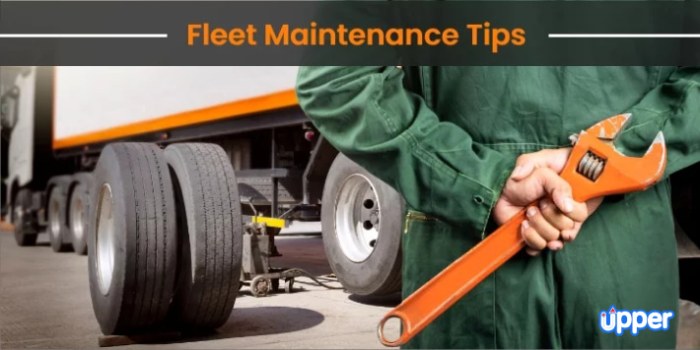
Training and educating maintenance staff is crucial to ensure the efficiency and effectiveness of fleet maintenance operations. By investing in the skills and knowledge of mechanics and technicians, companies can enhance the overall performance of their fleet
Importance of Training Mechanics and Technicians
- Improves diagnostic capabilities: Proper training allows mechanics to accurately identify and address issues, reducing downtime and costly repairs.
- Enhances safety: Well-trained staff can adhere to safety protocols and prevent accidents or injuries during maintenance activities.
- Increases efficiency: Skilled technicians can work more effectively, completing tasks in a timely manner and optimizing fleet performance.
Benefits of Ongoing Education in Latest Maintenance Technologies
- Stay updated with industry advancements: Continuous education ensures that maintenance staff are aware of the latest technologies and best practices in fleet maintenance.
- Enhance problem-solving skills: Learning new technologies can help mechanics troubleshoot complex issues and find innovative solutions.
- Boost employee morale: Providing opportunities for ongoing education shows a commitment to staff development, leading to higher job satisfaction and retention.
Organizing a Training Program for Maintenance Staff
- Identify training needs: Assess the skills and knowledge gaps among maintenance staff to tailor the training program accordingly.
- Offer diverse learning opportunities: Provide a mix of classroom training, hands-on workshops, and online courses to cater to different learning styles.
- Monitor progress and feedback: Regularly evaluate the effectiveness of the training program and gather feedback from staff to make improvements.
Utilization of Fleet Management Software
Fleet management software plays a crucial role in avoiding maintenance mistakes by providing a centralized platform for monitoring and managing the maintenance schedules and activities of a fleet. This software helps in streamlining maintenance processes, tracking vehicle performance, and optimizing maintenance costs.
Features of a Good Fleet Management Software
- Automated Maintenance Reminders: A good fleet management software should have the capability to send automated alerts and reminders for scheduled maintenance tasks based on vehicle usage or time intervals.
- Vehicle Diagnostics: The software should offer real-time vehicle diagnostics to detect potential issues before they escalate, allowing for proactive maintenance.
- Work Order Management: Efficient work order management features ensure that maintenance tasks are assigned, tracked, and completed in a timely manner.
- Inventory Management: The software should include inventory management functionality to track spare parts, consumables, and supplies, ensuring that the necessary items are always available for maintenance tasks.
- Reporting and Analytics: Comprehensive reporting and analytics tools provide insights into fleet maintenance performance, helping in identifying trends, areas for improvement, and cost-saving opportunities.
Real-Life Examples of Software Improving Maintenance Efficiency
One real-life example of how fleet management software has improved maintenance efficiency is the case of a delivery company that implemented a software solution with automated maintenance reminders. By utilizing this feature, the company was able to reduce vehicle breakdowns and increase the overall reliability of its fleet, resulting in improved on-time deliveries and customer satisfaction.
Conclusion
In conclusion, understanding and avoiding top fleet maintenance mistakes can significantly impact the efficiency and longevity of your fleet. Take the necessary steps to implement preventive strategies and invest in staff training to keep your vehicles in top condition.
Key Questions Answered
What are the consequences of neglecting regular maintenance schedules?
Neglecting regular maintenance schedules can lead to increased downtime, costly repairs, and potential safety hazards for drivers.
Why is ongoing education important for maintenance staff?
Ongoing education helps maintenance staff stay updated on the latest technologies and techniques, improving their skills and efficiency in handling fleet maintenance tasks.
How can fleet management software help in avoiding maintenance mistakes?
Fleet management software can provide automated maintenance alerts, track vehicle performance data, and streamline maintenance processes, reducing the chances of errors or oversights.