

Exploring the urgent need for a new windshield, this piece delves into the critical signs that indicate it's time for a replacement. From safety concerns to legal implications, this guide covers it all in a detailed yet accessible manner.
As we delve deeper into the topic, you will uncover essential information that every driver should be aware of when it comes to their windshield.
Importance of a Windshield
Driving with a properly functioning windshield is crucial for ensuring the safety of both the driver and passengers. The windshield serves as a barrier between the occupants of the vehicle and external elements, providing structural support and preventing ejection during a collision.
Role in Vehicle Safety
- A windshield plays a key role in maintaining the structural integrity of a vehicle, especially during a rollover accident. It helps prevent the roof from collapsing, protecting the occupants inside.
- In the event of a front-end collision, the windshield acts as a shield, preventing the occupants from being thrown out of the vehicle.
- Moreover, a windshield also aids in the deployment of airbags correctly, ensuring maximum protection for the driver and passengers.
Hazards of Damaged Windshield
- A cracked or chipped windshield can significantly impair visibility, increasing the risk of accidents due to obscured vision of the road ahead.
- In case of a rollover accident, a weakened windshield may fail to provide the necessary support, leading to potential ejection of the occupants.
- Furthermore, a damaged windshield is more prone to shattering upon impact, resulting in sharp glass pieces that can cause severe injuries to the occupants.
Statistics on Windshield-Related Accidents
According to the National Highway Traffic Safety Administration (NHTSA), about 60% of fatalities in rollover accidents occur due to occupants being ejected from the vehicle, highlighting the importance of a properly functioning windshield.
Visible Signs of Windshield Damage
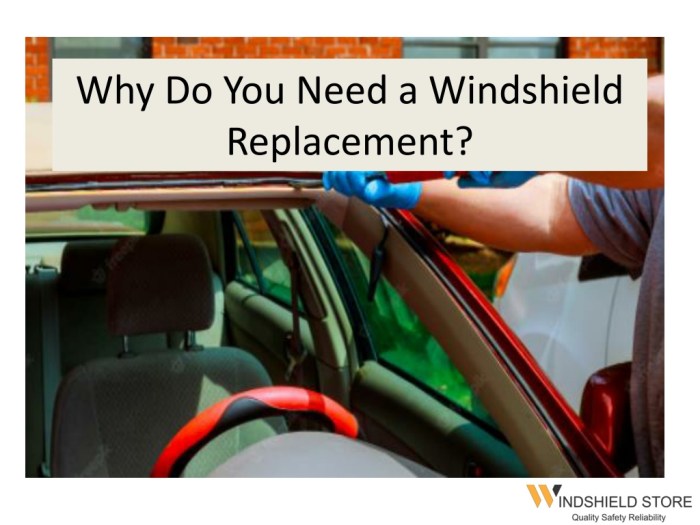
When it comes to your windshield, it's crucial to be aware of the visible signs of damage that may indicate the need for immediate replacement.
Cracks, Chips, and Pits
Cracks, chips, and pits are common forms of windshield damage that can occur due to various reasons such as rocks hitting the glass or extreme temperature changes. These damages not only weaken the structural integrity of the windshield but also obstruct the driver's view, increasing the risk of accidents.
Impact on Visibility
Any type of damage on the windshield can significantly impair the driver's visibility while on the road. Cracks and chips can reflect sunlight or glare from headlights, creating distractions that make it difficult to see clearly ahead.
Exacerbation by Sunlight or Headlights
Windshield damage can be exacerbated by sunlight or headlights, as the light can reflect off the damaged areas, making it harder for the driver to see the road. This can lead to dangerous situations, especially during sunrise or sunset when the angle of the sun is low.
Risks of Damaged Windshields
Driving with a damaged windshield poses serious risks, such as reduced structural integrity, compromised safety in case of accidents, and potential legal implications if the damage obstructs the driver's view. In worst-case scenarios, a damaged windshield can shatter completely, putting the driver and passengers in danger.
Legal Implications
Driving with a damaged windshield can have serious legal consequences in various jurisdictions. It is important to understand the legal regulations and potential fines or penalties associated with neglecting windshield repairs.
Legal Regulations Regarding Windshield Damage
In many places, there are specific laws that govern the condition of vehicle windshields. These regulations often require windshields to be free from any cracks or chips that obstruct the driver's view. Violating these regulations can result in fines or other penalties.
Potential Fines or Penalties
Driving with a damaged windshield can lead to fines ranging from minor infractions to more severe penalties, depending on the extent of the damage and the jurisdiction. In some cases, drivers may also face points on their license or even license suspension.
Legal Consequences of Windshield Damage
Beyond fines and penalties, windshield damage can also have legal consequences in the event of an accident. If it is determined that the damaged windshield contributed to the accident or impaired the driver's visibility, the driver may be held liable and face legal action.
Examples of Legal Cases
There have been cases where drivers involved in accidents were found negligent for driving with a damaged windshield. In these instances, the drivers faced legal repercussions and were held responsible for damages and injuries resulting from the accident.
Repair vs. Replacement
When faced with a damaged windshield, it's essential to weigh the options of repair versus replacement carefully. Understanding the costs and benefits associated with each can help you make an informed decision.
Costs and Benefits Comparison
- Repair:
- Cost-effective, usually cheaper than replacement.
- Quick process, can be completed in a short amount of time.
- Preserves the original factory seal of the windshield.
- Replacement:
- More expensive than repair but necessary for extensive damage.
- Provides structural integrity and safety for the vehicle.
- May be covered by insurance, reducing out-of-pocket costs.
When to Repair and When to Replace
- A repair is typically sufficient for minor chips, cracks, or scratches that are smaller than a dollar bill.
- Replacement is necessary for larger cracks, extensive damage, or damage in the driver's line of sight.
- Consult with a professional to determine the best course of action based on the specific damage to your windshield.
Process of Repair and Replacement
Windshield repair involves injecting a resin into the damaged area, which bonds the glass together and restores strength. Replacement, on the other hand, requires removing the old windshield and installing a new one using high-quality materials and adhesives.
Choosing Between Repair and Replacement
- Consider the size and location of the damage on the windshield.
- Factor in the cost of repair versus replacement, taking into account insurance coverage.
- Prioritize safety and structural integrity when making the decision.
Safety Precautions and Maintenance
Proper maintenance and regular safety precautions are essential to ensure the longevity and effectiveness of your windshield. By following these guidelines, you can prevent unnecessary damage and maintain optimal visibility while driving.
Safety Precautions Checklist
- Regularly inspect your windshield for any chips, cracks, or damage.
- Ensure that the windshield wipers are in good condition and replace them when necessary.
- Avoid slamming car doors, as the impact can weaken the windshield over time.
- Do not use harsh chemicals or abrasive materials when cleaning the windshield to prevent scratches.
- Park your car in a shaded area to minimize exposure to extreme heat, which can weaken the glass.
Regular Maintenance Practices
- Clean your windshield regularly with a soft cloth and mild detergent to remove dirt and debris.
- Inspect the rubber seals around the windshield to ensure they are intact and properly sealed.
- Check the fluid levels of your windshield washer system and top up as needed to maintain visibility.
- Address any small chips or cracks promptly to prevent them from spreading and requiring a full replacement.
Protecting the Windshield from Environmental Factors
- Use a windshield sunshade to protect the glass from direct sunlight and UV rays.
- Avoid parking under trees or near construction sites where falling debris can damage the windshield.
- During the winter, use a plastic scraper to remove ice and snow instead of using metal tools that can scratch the glass.
- Consider applying a protective coating to the windshield to enhance its durability and resistance to environmental elements.
Extending the Lifespan of Your Windshield
- Regular maintenance and prompt repairs can significantly extend the lifespan of your windshield.
- Driving carefully and avoiding debris on the road can prevent sudden impacts that may damage the glass.
- Following the manufacturer's recommendations for maintenance and care can help preserve the integrity of the windshield.
- Seek professional assistance for any windshield issues to ensure proper repair or replacement when needed.
Last Recap
In conclusion, ensuring the safety of your vehicle and passengers starts with a clear, undamaged windshield. By staying informed and proactive, you can address any issues promptly and maintain a secure driving experience.
Popular Questions
What are the common visible signs of windshield damage?
Common signs include cracks, chips, and pits that can obstruct visibility while driving.
Are there legal implications for driving with a damaged windshield?
Yes, there are legal regulations in place regarding windshield damage, and driving with a damaged windshield can lead to fines or penalties.
How can regular maintenance practices help prevent windshield damage?
Regular maintenance, such as cleaning the windshield and protecting it from environmental factors, can help extend its lifespan and prevent damage.